Is your dog shedding normally or losing too much hair? Learn the common causes of dog hair loss, what you can safely do at home, and when to see a veterinarian.
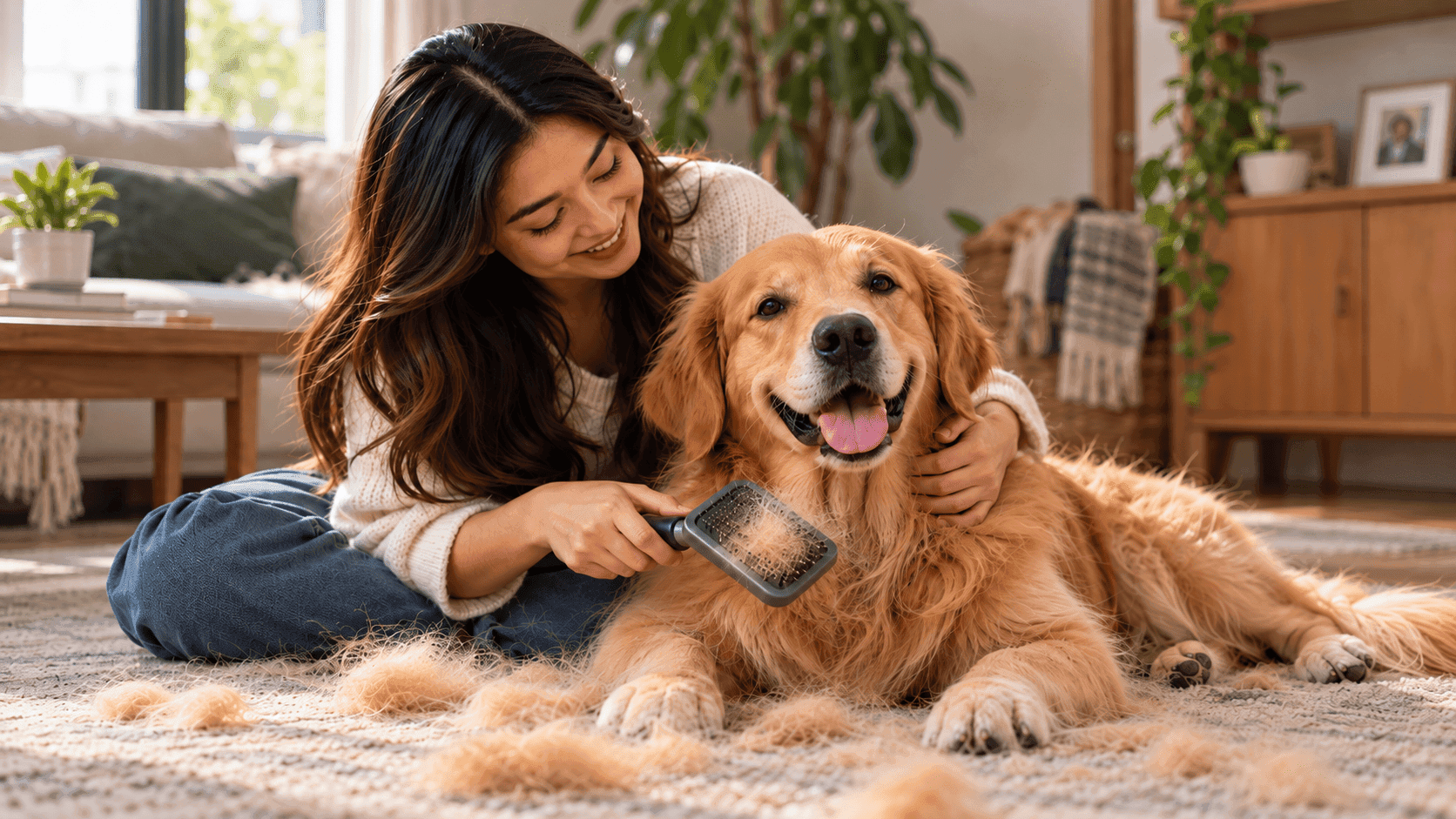
You brush your dog, clean the sofa, and a few hours later, there’s hair everywhere again. Maybe your dog's coat looks thinner than before, or you've noticed a bald patch that wasn't there last week.
So, you start wondering: Is this normal shedding, or could something be wrong?
Most dogs naturally lose hair as part of their normal coat cycle. However, excessive hair loss can sometimes be linked to parasites, allergies, skin infections, poor nutrition, or other health problems.
The important thing is understanding when shedding is normal, what you can do at home, and when your dog may need veterinary attention.
Yes. Dogs naturally shed old or damaged hair as new hair grows. The amount varies depending on breed, coat type, environment, and overall health.
For example, Golden Retrievers, German Shepherds, and Huskies often shed heavily because they have thick coats. Short-haired breeds like Beagles and Labradors also shed regularly.
In Nepal, changes in weather and seasons may influence shedding. Dogs that spend most of their time indoors may also shed throughout the year.
Normal shedding usually looks like:
Loose hair on clothes, furniture, or bedding.
Hair coming out during brushing or petting.
A reasonably full coat without noticeable bald patches.
Healthy-looking skin without persistent itching or redness.
Normal appetite, activity, and behaviour.
Remember: Finding a lot of hair around your home doesn't always mean something is wrong. What's more important is whether your dog's skin and coat still look healthy.
Not all hair loss is the same. Normal shedding generally occurs across the coat, while hair loss caused by a health problem may leave visible bald areas or cause the coat to become unusually thin.
Loose hair may come out across the coat, but:
the coat still looks reasonably full
the skin looks healthy
there is no unusual scratching
your dog is behaving normally
Pay more attention if you notice:
bald patches
visibly thinning hair
red, flaky or irritated skin
frequent scratching or licking
other changes in health or behaviour
Important: Some health problems can cause hair loss without itching. Unexplained bald patches or progressive thinning should not be ignored.
Seasonal shedding is one of the most common reasons dogs lose hair.
Some dogs release more loose hair during seasonal changes, particularly breeds with thick coats.
For example, a German Shepherd may shed heavily while its coat changes with the season, even though the dog is healthy.
What to look for: Loose hair across the body without bald patches, irritated skin, or unusual scratching.
What you can do: Brush your dog regularly using a grooming tool suitable for their coat. This helps remove loose hair and prevent tangles.
If the coat becomes noticeably thin or bald patches appear, don't assume it's only seasonal shedding.
Tiny parasites can irritate your dog's skin, causing itching, scratching, and hair loss.
Fleas can make dogs repeatedly scratch or bite their skin. Some dogs are particularly sensitive to flea bites and may develop significant irritation.
Certain mites can cause mange, a skin condition that may lead to bald patches, redness, or crusty skin.
What to look for: Frequent scratching, biting, redness, crusts, or hair loss around the tail, face, or legs.
What you can do: Check your dog's skin regularly, especially around the tail, belly, and ears. If you suspect parasites, seek veterinary advice about suitable treatment.
Not every parasite is visible, so you may not notice anything unusual moving through the fur.
Dogs can develop allergies to environmental substances, flea bites, or certain food ingredients.
Allergies often make dogs scratch, lick, or bite their skin repeatedly. Over time, this can damage the coat and lead to hair loss.
What to look for: Itchy paws, irritated ears, redness around the belly, frequent licking, or hair thinning in certain areas.
What you can do: Observe when and where your dog becomes itchy. Avoid repeatedly changing food or trying allergy medicines without professional guidance.
Food isn't responsible for every skin problem, so identifying the actual cause is important.
Some skin infections can cause hair loss, redness, flaky skin, crusts, or small sores.
For example, ringworm is a fungal skin infection that may cause circular or irregular bald patches. Despite its name, ringworm is not caused by a worm.
Certain skin infections can also produce an unusual smell or make your dog uncomfortable.
What to look for: Bald patches, flaky skin, redness, crusts, sores, or unusual skin odour.
What you can do: Arrange a veterinary examination rather than trying different creams or home remedies.
Some fungal infections, including ringworm, can spread to other animals and people. Wash your hands after touching affected skin and avoid sharing grooming tools until the cause is identified.
Healthy skin and hair depend on proper nutrition.
Dogs need adequate protein, essential fats, vitamins, and minerals to maintain a healthy coat. A diet lacking important nutrients over time may contribute to dry skin, poor coat quality, or increased hair loss.
In Nepal, some pet parents feed homemade meals using rice, meat, vegetables, or other household foods.
Homemade feeding isn't automatically unhealthy, but rice and meat alone may not provide all the nutrients a dog needs, particularly during growth.
What to look for: A dull coat, dry or flaky skin, or poor hair quality, sometimes alongside other changes in health.
What you can do: Feed a complete and balanced diet appropriate for your dog's age and needs. If you prepare homemade meals, seek professional guidance to ensure nutritional balance.
Avoid giving vitamins or coat supplements without identifying a specific need.
Sometimes hair loss is related to a health problem affecting the body's normal hair growth.
These problems may cause gradual coat thinning, especially around the body or tail. Unlike allergies, they may not always cause itching.
What to look for:
Hair thinning on both sides of the body.
Hair that grows back unusually slowly.
Changes in weight.
Increased thirst or urination.
Unusual tiredness or reduced activity.
What you can do: Arrange a veterinary examination if hair loss occurs alongside these changes. Blood tests or other examinations may be recommended depending on the symptoms.
Some dogs lose hair because they repeatedly lick, chew, or rub one particular area.
This may happen because of itching, irritation, pain, or sometimes stress-related behaviour.
For example, a dog that repeatedly licks one front leg may eventually develop a bald patch.
What to look for: Frequent licking of the same area, broken hairs, redness, or a localized bald patch.
What you can do: Observe when the behaviour occurs and whether your dog's routine has changed.
Persistent licking should be examined because allergies, skin problems, or pain may be responsible.
Yes. Where the hair is falling out can sometimes give useful clues.
Possible causes:
fleas
flea allergy
Possible causes:
mites
skin infection
Possible causes:
allergies
repeated licking
Possible causes:
underlying health problems
coat-related conditions
Possible causes:
fungal infection
mites
other skin conditions
Possible causes:
rubbing
skin irritation
Important: These are only possible explanations, not a diagnosis. Different conditions can affect the same areas, so the location of hair loss alone cannot confirm the cause.
Nepal's changing weather, outdoor environments, and daily care routines can influence your dog's skin and coat.
Seasonal changes: Some dogs shed more noticeably during certain seasons. However, visible bald patches or persistent itching should not automatically be blamed on changing weather.
Monsoon season: Dogs may frequently get wet during walks or outdoor activities. Moisture trapped in thick or tangled coats can contribute to skin irritation. Dry your dog's coat appropriately after getting wet, particularly around the paws and skin folds.
Outdoor exposure: Dogs that spend time outdoors or frequently interact with other animals may encounter fleas and other parasites.
Homemade feeding: If your dog mainly eats homemade meals, ensure the overall diet provides the nutrients needed for healthy skin and coat growth.
The most useful habit is understanding your dog's usual shedding pattern and noticing when something changes.
If your dog is otherwise healthy and has no concerning skin changes, these habits can help manage natural shedding.
Regular brushing removes loose hair and helps prevent tangles.
Choose a grooming tool suitable for your dog's coat. Long-haired dogs may need more frequent brushing than short-haired dogs.
Be gentle, particularly around sensitive skin.
Good nutrition supports healthy skin and normal hair growth.
Choose a complete and balanced diet suitable for your dog's age and health needs.
If you feed homemade meals, make sure the overall diet meets your dog's nutritional requirements.
Grooming is a good opportunity to notice changes.
Look for bald patches, redness, unusual flakes, crusts, or signs of parasites.
Check areas that are easy to overlook, including behind the ears, around the tail, and between the toes.
Use dog-safe shampoo and avoid excessive bathing.
The right bathing frequency depends on your dog's coat, activities, and skin condition.
Rinse thoroughly and dry your dog appropriately, especially during rainy weather.
Wash your dog's bedding regularly and clean grooming tools after use.
Keeping their sleeping area clean supports everyday hygiene, although cleaning alone will not treat an existing skin infection or parasite problem.
Ask a veterinarian about suitable flea and other parasite prevention for your dog.
The appropriate product depends on age, weight, health, and exposure risk.
When dogs begin losing hair, pet parents sometimes try different shampoos, oils, or supplements without knowing the cause.
However, the wrong product may irritate the skin or delay appropriate treatment.
Avoid these common mistakes:
Using human shampoos or hair products: Some ingredients may irritate a dog's skin.
Applying household oils or random home remedies: These are not reliable treatments for most medical causes of hair loss.
Giving supplements unnecessarily: Extra vitamins will not resolve every shedding problem.
Bathing too frequently: Excessive bathing may contribute to dryness or irritation.
Ignoring bald patches: Hair loss without itching can still indicate an underlying problem.
Repeatedly changing dog food: Food changes will not treat parasites, infections, or every other cause of hair loss.
The right solution depends on why your dog is losing hair, not simply how much hair is falling out.
Normal shedding generally doesn't require treatment. However, unusual hair loss accompanied by skin changes or other symptoms deserves attention.
Arrange a veterinary examination if your dog has:
New bald patches or noticeable hair thinning.
Persistent scratching, licking, or biting.
Red, flaky, crusty, or irritated skin.
Hair loss that continues to spread or worsen.
Changes in appetite, weight, thirst, energy, or behaviour.
Seek prompt veterinary attention if your dog's skin becomes painful, swollen, or starts producing discharge, especially if your dog also seems unwell.
A veterinarian will usually examine your dog's skin and coat and ask about its health history.
They may ask when the hair loss started, whether your dog scratches, what food it eats, and whether you have noticed other changes.
Depending on the findings, skin tests or blood tests may be recommended.
Not every dog needs extensive testing. The examination helps identify the most appropriate next steps.
1. Why is my dog shedding so much in Nepal?
Breed, coat type, seasonal changes, and living conditions can influence shedding. However, itching, bald patches, or irritated skin may indicate a problem that needs veterinary attention.
2. Why is my dog losing hair but not scratching?
Some health and coat conditions can cause hair loss without itching. If your dog develops bald patches or progressive thinning, arrange a veterinary examination.
3. Can changing dog food stop hair loss?
It may help if poor nutrition or a diagnosed food-related problem is contributing to hair loss. However, changing food will not treat every cause, including parasites or infections.
4. Can dog hair loss spread to people?
Normal shedding is not contagious. However, certain skin problems, including ringworm and some types of mange, can affect people or other animals.
5. Will my dog's hair grow back?
In many cases, yes. Hair can regrow once the underlying cause is appropriately managed. Recovery depends on the cause and whether the skin and hair roots remain healthy.
6. Does shaving my dog reduce shedding?
Shaving does not stop the natural hair-growth cycle. Unnecessary shaving may also cause coat-regrowth problems in some thick-coated breeds. Ask a veterinarian or experienced groomer before shaving your dog's coat.
Finding dog hair around your home is usually part of normal pet parenting. But bald patches, persistent itching, irritated skin, or unusual changes in coat quality shouldn't be ignored.
Instead of focusing only on how much hair your dog loses, pay attention to where the hair is falling out, how the skin looks, and whether your dog's behaviour or health has changed.
Normal shedding can often be managed through regular grooming, balanced nutrition, and appropriate coat care. When hair loss is caused by a health problem, understanding the underlying cause is the first step toward helping your dog recover.
Not sure whether your dog is shedding normally or showing signs of a skin problem?
BunoPets can help you understand your pet's care needs and guide you toward appropriate veterinary care when needed.
Pet Care Note: This article provides general pet-care education and does not replace veterinary examination, diagnosis, or treatment. If your dog has persistent hair loss or concerning symptoms, consult a veterinarian.
