Food and walks are only part of daily dog care. Learn the 8 things your dog needs every day—from water and exercise to enrichment, rest, toilet breaks and simple health checks.
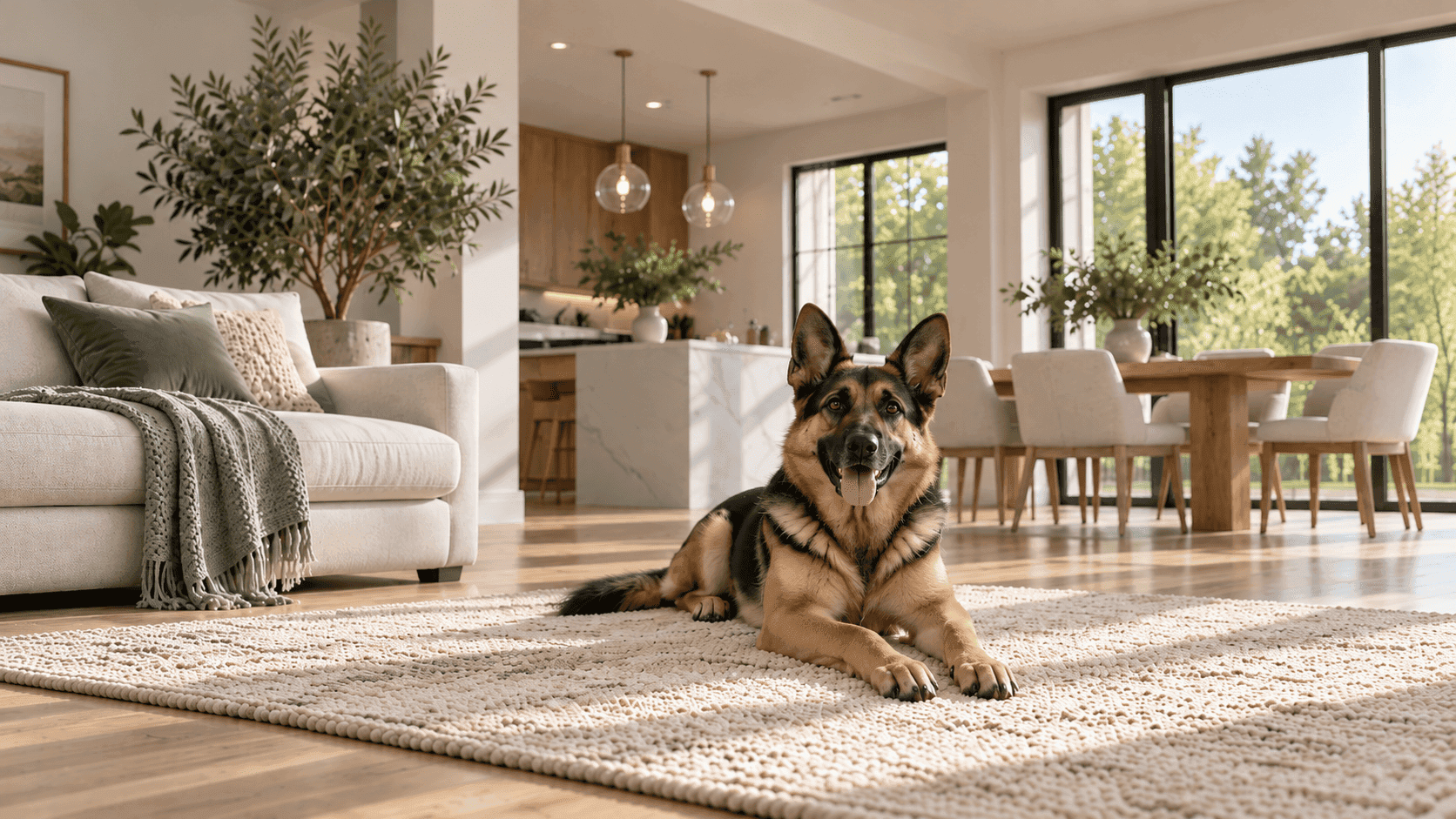
If your dog has eaten, had some water and gone for a walk, have you covered everything they need for the day?
Not quite.
A healthy daily routine also includes opportunities to sniff and think, toilet comfortably, rest properly, interact with you and feel safe. And one of the most important things a pet parent can do costs nothing: notice what is normal for their dog.
You do not need a perfect timetable.
You need a routine that works for your dog's age, size, health, activity level, personality and lifestyle.
For most dogs, everyday care comes down to these basics:
Appropriate food
Fresh water
Physical activity
Mental stimulation
Toilet opportunities
Rest and sleep
Positive interaction
A quick health and safety check
That sounds simple. The important part is how you provide each one.
Your dog needs food that provides appropriate nutrition for their life stage and individual needs.
A growing puppy should not simply eat a smaller quantity of an adult dog's diet. Likewise, the needs of an active young dog may differ from those of a less active or older dog.
WSAVA recommends looking beyond the food itself and considering the dog's age, activity, health, body condition and total daily intake when assessing nutrition.
Feed measured portions according to an appropriate feeding plan and watch your dog's body condition over time.
Remember to count the extras too.
Biscuits, training rewards, chews, leftovers and food used in enrichment are all part of the dog's total daily intake.
A common mistake is thinking:
“My dog only eats two meals.”
while forgetting everything given between those meals.
Notice whether your dog's appetite is normal for them.
A dog that usually finishes meals but suddenly refuses food is telling you more than an empty or full bowl alone can.
Your dog should normally have access to fresh drinking water throughout the day.
Check the bowl regularly. Refill it when needed and keep the bowl clean.
This becomes particularly important after exercise and during warmer weather.
For pet parents in Nepal, especially during hot days, do not rely on filling the bowl once in the morning and assuming it will remain sufficient all day.
Also notice your dog's usual drinking habits.
If your dog suddenly begins drinking much more or much less than normal and the change continues, it is worth discussing with a veterinarian.
Dogs need regular physical activity.
But there is no scientifically sensible single rule such as “every dog needs exactly 30 minutes”.
AAHA recommends adjusting exercise to the dog's age, breed, temperament and individual circumstances.
Think about:
age
breed and body type
fitness
health
weather
energy level
previous activity
how well the dog recovers afterward
A young, healthy and energetic dog may enjoy longer walks and active play.
A senior dog with reduced mobility may benefit more from shorter, comfortable outings.
A puppy needs appropriate movement and exploration, but should not simply be treated like a miniature adult athlete.
A walk is not only about kilometres.
Let your dog sniff.
Dogs gather enormous amounts of information through smell. A slower walk with time to explore can provide valuable mental engagement as well as physical activity.
The goal is not to exhaust your dog.
The goal is to help them stay fit, interested and comfortable.
A dog can have a long walk and still be bored.
Dogs also need opportunities to investigate, learn, search and problem-solve. Veterinary life-stage guidance includes mental stimulation and enrichment as part of appropriate canine care.
Fortunately, enrichment does not need to be expensive.
Try things such as:
a short reward-based training session
hiding some food and allowing your dog to find it
a suitable food puzzle
supervised play
rotating toys rather than leaving everything out permanently
letting your dog investigate interesting smells during walks
Even a few short activities can make the day more interesting.
If your dog repeatedly chews household objects, struggles to settle or constantly demands stimulation, do not immediately conclude that they are simply “naughty.”
Look at the full routine first.
Are they getting enough appropriate activity, sleep, interaction and mental engagement?
Dogs need enough opportunities to urinate and defecate comfortably.
There is no useful one-number rule here either.
A young puppy may need much more frequent toilet trips than a healthy adult dog. Older dogs and dogs with certain health problems may also need more opportunities.
What matters is having a predictable routine without forcing a dog to hold urine or stool for unreasonable periods.
And observe what comes out.
A dog's urine and stool can tell you a lot about how they are doing.
Pay attention to meaningful changes such as:
persistent diarrhoea
repeated straining
blood
unusual constipation
markedly increased urination
repeated unsuccessful attempts to urinate
Difficulty or inability to urinate requires prompt veterinary attention.
Dogs do not need to be entertained from morning to night.
Rest is a real need.
Your dog should have a clean, comfortable and relatively quiet place where they can relax without constantly being touched, called or disturbed.
This matters especially for puppies and older dogs.
A dog repeatedly choosing their bed or quiet corner may simply be asking for downtime.
A good day therefore contains both:
activity + rest
—not nonstop stimulation.
Food and exercise alone do not create a good life.
Dogs benefit from positive interaction with the people they live with.
That can mean:
walking together
playing
short training sessions
grooming
gentle handling
sitting quietly together
But attention does not need to be constant.
Dogs should also learn that they can relax safely when you are busy or away for reasonable periods.
This is particularly useful for families in Kathmandu and other urban areas where people may have work, college or long daily schedules.
The goal is not to keep your dog permanently entertained.
It is to create a predictable relationship and routine.
You do not need to perform a veterinary examination every morning.
But you should look at your dog.
While playing, petting or grooming them, casually notice:
Eyes: Clear and comfortable?
Ears: Any new redness, discharge, smell or irritation?
Skin and coat: New wounds, ticks, unusual hair loss, redness or persistent scratching?
Paws: Any cuts, swelling or tenderness?
Movement: Walking normally?
Mouth: New strong odor, obvious gum problems or difficulty eating?
Behaviour: Acting like themselves?
Regular grooming can also help owners notice skin changes, parasites, lumps or tender areas earlier.
Oral health is preventive health.
AAHA recommends incorporating dental care throughout a dog's life, including appropriate home dental hygiene.
Where your dog tolerates it and their mouth is healthy enough, regular brushing with dog-safe toothpaste is one of the most useful home-care habits.
Never use human toothpaste.
This may be more valuable than any checklist in this article.
Learn what is normal for your dog.
Notice their usual:
appetite
water intake
stool
urination
energy
walking
breathing
sleep
behaviour
interest in family members
You don't need to record every detail.
You simply need enough familiarity to think:
“This is unusual for my dog.”
Pet parents are often the first people able to notice these small changes.
A dog who suddenly stops finishing meals, becomes reluctant to climb stairs, starts hiding, sleeps far more than usual or no longer gets excited about their regular walk may need closer attention.
Changes in behaviour are not always a training issue. Pain or illness can sometimes change how a dog behaves.
The basic needs of dogs are the same worldwide.
But the environment changes the risks.
On hot days, shift strenuous walks toward cooler parts of the day where possible.
Carry or provide water when appropriate and watch how your dog is coping.
Dogs with short noses, older dogs, puppies, overweight dogs and dogs with some medical conditions may tolerate heat less effectively.
During wet periods, check paws and skin after walks, especially if your dog has been through muddy or dirty areas.
Do not leave the coat or skin unnecessarily damp for prolonged periods, particularly in dogs prone to skin problems.
Many dogs in Nepal encounter other dogs regularly.
That makes good control outside the home important.
Use an appropriate leash where needed, prevent uncontrolled approaches to unfamiliar dogs and discuss relevant vaccination and parasite prevention with your veterinary professional based on your dog's actual exposure.
This deserves special attention in Nepal.
WHO continues to list Nepal among the rabies-endemic countries in its South-East Asia Region, and vaccination of dogs is a key part of preventing dog-mediated rabies.
Keeping your dog's rabies vaccination appropriately up to date is therefore not merely an administrative task—it is part of protecting your dog, your family and the wider community.
If a person is bitten or scratched by an animal that could pose a rabies risk, seek appropriate human medical guidance promptly rather than waiting for symptoms.
One reason dog care can feel overwhelming is that pet parents mix daily care with ongoing preventive care.
Focus mainly on:
food, water, movement, toilet opportunities, enrichment, rest, interaction and observation.
Also maintain:
coat and grooming care
nail care
dental care
weight/body-condition monitoring
parasite prevention
vaccination
veterinary health checks
How frequently these are needed depends on the individual dog and, for preventive healthcare, professional recommendations.
You do not need to turn every day into a full health programm.
Puppies need:
appropriate growth nutrition
frequent toilet opportunities
plenty of sleep
positive training
safe exploration
carefully managed socialisation
an appropriate vaccination and preventive-health plan
A healthy adult dog's routine should balance:
appropriate nutrition
exercise
enrichment
social interaction
rest
preventive healthcare
Senior dogs may need:
gentler or shorter exercise
easier access to food and water
easier toilet access
better traction on slippery floors
more comfortable bedding
closer monitoring of appetite, movement and behaviour
You know your dog's usual behaviour best.
Seek veterinary advice when you notice a significant or persistent change in things such as:
eating or drinking
urination or stool
energy
walking or mobility
breathing
behaviour
comfort
skin or coat
Seek urgent veterinary attention for serious signs such as difficulty breathing, collapse, seizures, major trauma, suspected poisoning, severe weakness or inability to urinate.
You do not need to panic over every small variation.
But you should not ignore a meaningful change simply because your dog looked healthy yesterday.
At the end of the day, ask yourself:
Did my dog eat appropriately?
Did they have fresh water?
Did they get suitable movement?
Did they get to sniff, play, learn or explore?
Did they have enough toilet opportunities?
Did they get uninterrupted rest?
Did we have some positive interaction?
Did I notice anything unusual?
If those basics are consistently covered, you are already doing a large part of everyday dog care well.
You don't need to create a perfect Instagram-worthy routine.
You need to understand the individual dog living with you.
Good dog care is less about doing more—and more about consistently noticing and meeting what your dog actually needs.
There is no single walking duration suitable for every dog. Age, breed, fitness, temperament, health and weather all influence how much and what type of exercise is appropriate.
For some dogs it may form part of an appropriate routine, while others need additional activity, toilet opportunities or enrichment. Look at the dog's complete day rather than counting walks alone.
Your dog needs opportunities for enrichment, but that does not mean buying new toys constantly. Sniffing, training, food searches, appropriate play and interaction can all provide mental stimulation.
Healthy dogs should normally have access to clean, fresh drinking water. Specific medical circumstances may require different veterinary instructions.
Indoor living does not remove a dog's need for appropriate exercise, mental stimulation, toilet opportunities and environmental experiences. Exactly how those needs are met depends on the individual dog.
Yes. Preventive veterinary care includes nutritional assessment, vaccination decisions, parasite-risk assessment, oral health and life-stage health monitoring.
Every dog is different. If you're unsure about your dog's food, vaccination history, preventive care or everyday routine, BunoPets can help you understand the appropriate next step.
For illness, injury or significant changes in your dog's health or behaviour, veterinary assessment should take priority.
World Small Animal Veterinary Association (WSAVA) — Global Nutrition Guidelines and Nutrition Toolkit. Nutrition should be assessed according to the individual animal, including life stage, activity, health and body condition.
American Animal Hospital Association (AAHA) — Canine Life Stage Guidelines. Covers age-appropriate nutrition, exercise, enrichment, environmental safety, preventive healthcare and senior adaptations.
AAHA — Lifestyle and Safety Assessment — Guidance on daily exercise, mental stimulation, environmental hazards and modifications for senior dogs.
AAHA — Dental Care Guidance — Oral and dental care as part of lifelong preventive healthcare.
World Health Organization (WHO) — Rabies in the South-East Asia Region. Nepal is among the region's rabies-endemic countries; vaccination of dogs is a central prevention strategy.
